When you decide to extend your home, it’s rarely just about adding space. You want something that looks right, works properly all year round, and feels like a natural part of your home rather than an afterthought. When choosing between an Extension vs Orangery vs Glass Room, all three options will give you usable space, but each differs in cost, materials and who builds it for you.
This guide helps you compare traditional brick extensions, orangeries, and glass rooms or glazed boxes, so you can understand where each option works best, where compromises appear, and how glazing design and integration affect the end result.
Extensions vs Orangeries vs Glass Rooms – At a Glance
| Option | What it gives you | What to consider |
|---|---|---|
| Traditional Extension | A fully insulated, solid room that feels like a natural part of your home. Reliable comfort all year and the easiest to heat and cool. | Less natural light than glazed options. Design relies on window and door placement rather than glass volume. |
| Orangery | A balanced space with solid structure and generous glazing. More light than an extension, but better thermal stability than a glass room. | Requires careful design to avoid overheating. Roof lanterns and glazing details add cost and complexity. |
| Glass Room / Glazed Box | Maximum light and garden views with strong visual impact. Ideal if openness and connection to outside matter most to you. | Comfort depends heavily on glazing type, shading, and ventilation. Can cost more than a built extension depending on brand chosen. |
The right choice often comes down to how you plan to use the space day to day. If you’re creating a family living area or kitchen extension, a traditional extension or an orangery usually delivers the most reliable comfort, making it easier to heat, cool, and use all year round. For entertaining spaces with a strong connection to the garden, an orangery or a well-designed glass room can work beautifully, provided shading and ventilation are carefully planned from the outset.
If you need a home office or studio, acoustic control and thermal stability tend to matter more, which is why a traditional extension or orangery is often the better fit. Glass rooms are best reserved for architectural statement spaces where visual impact is the priority. They can be stunning, but only when the design, glazing specification, and coordination between building work and glazing are handled to a high professional standard.
Typical costs of Extensions, Orangeries, Glazed Extensions and Covered Canopy Products
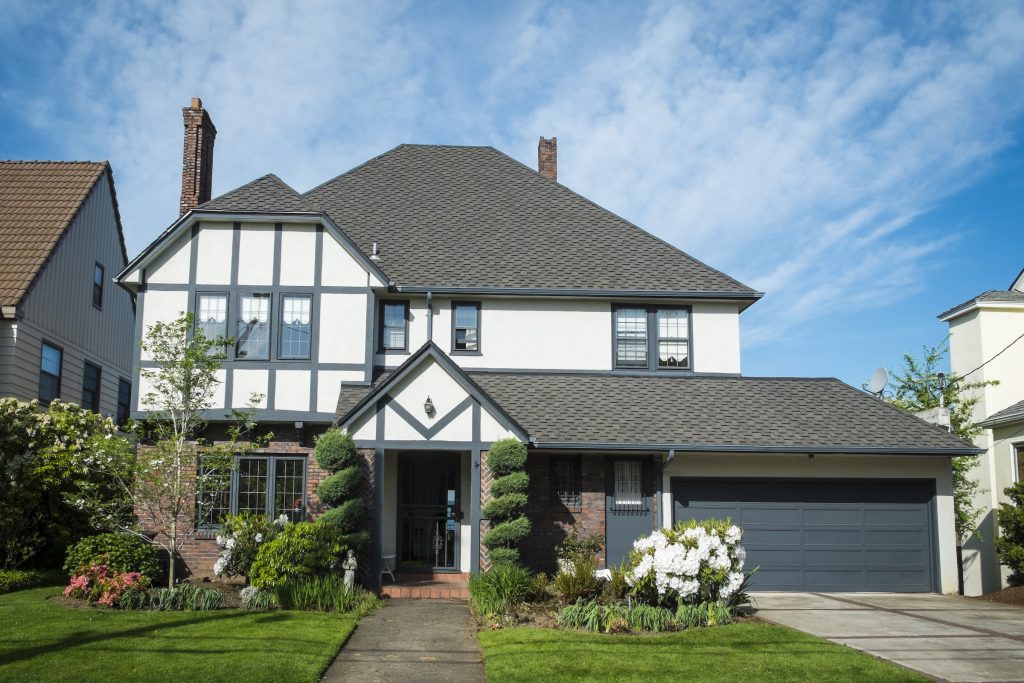
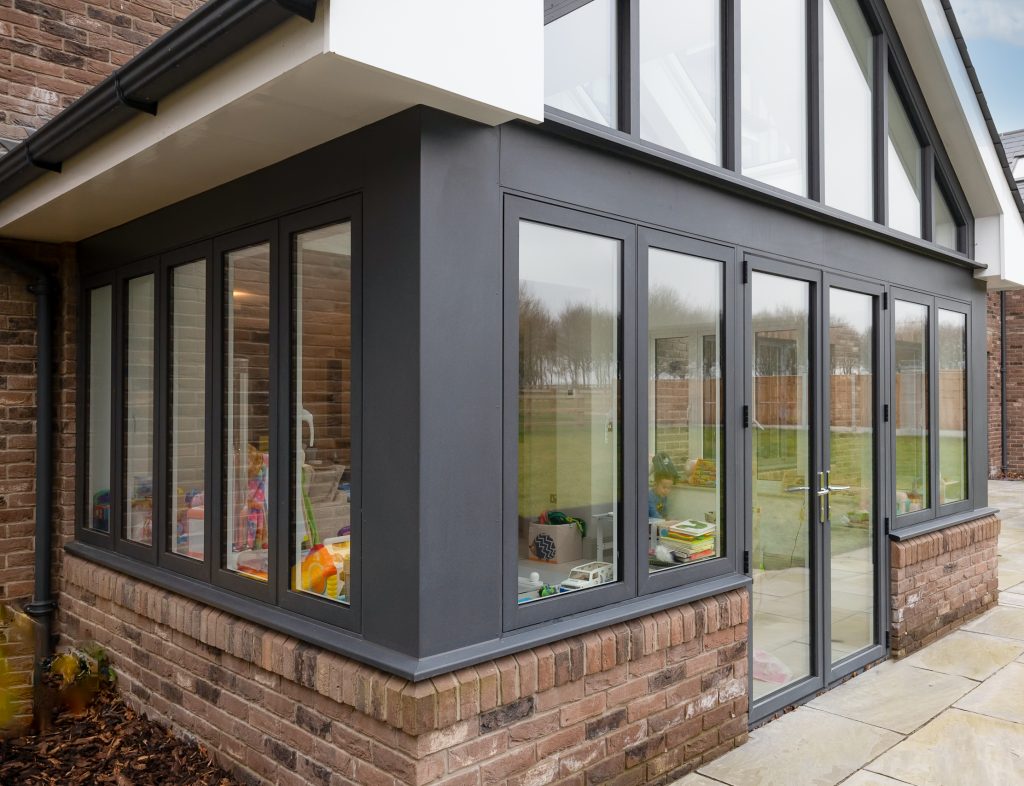
Traditional extension
Starting from £28000 for a 5m x 3m
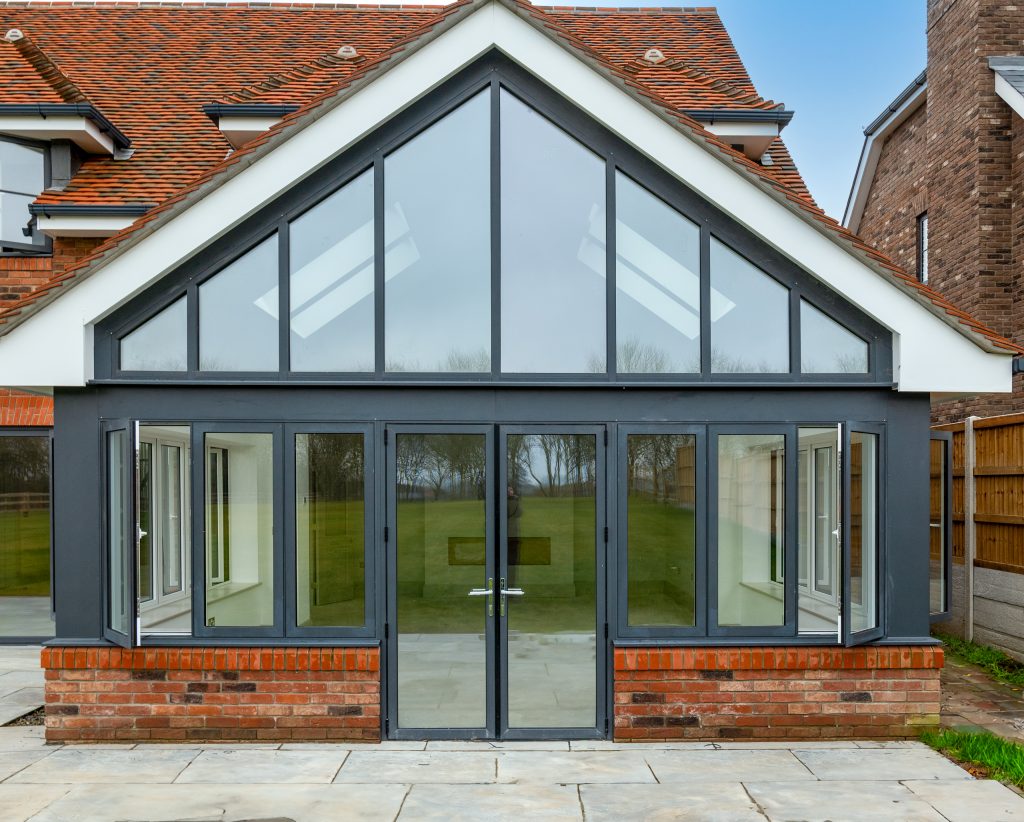
A fully built room using solid walls, a solid roof, insulation, and windows or doors. When it’s done well, it feels like it has always been there.
This gives you the most choice of window and door options, including in the roof.
Thanks to the latest materials available today, there is no reason why your design could not have a combination of all materials to give you the best of all worlds.
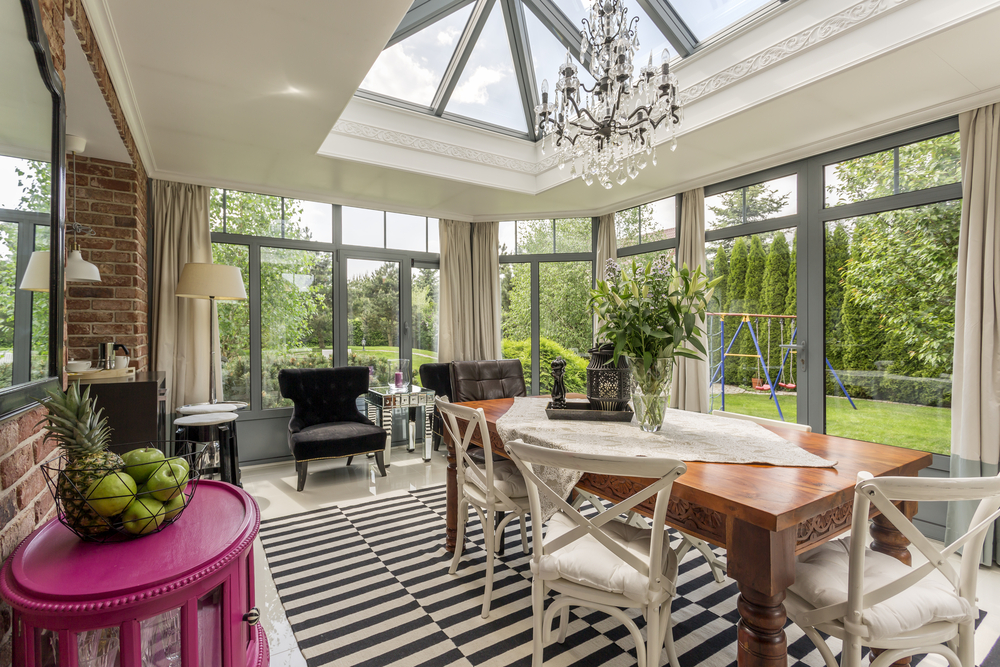
Orangery Extension
Starting from £12000 for a 5m x 3m
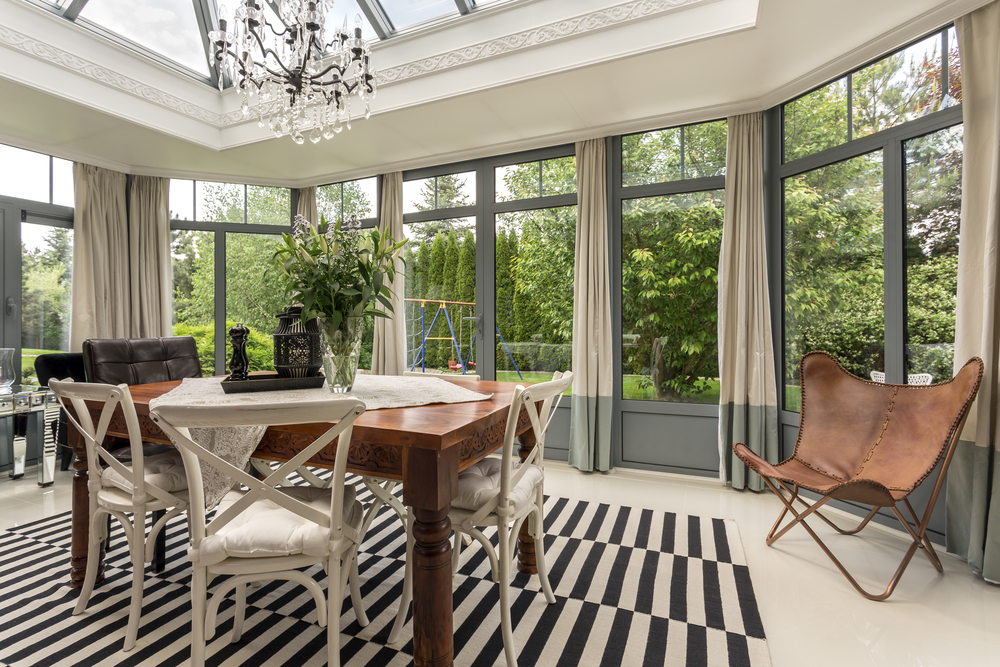
There are now many brands of Orangery Extensions in aluminium or upvc complete with roof system, windows and doors. These have come a long way from early generation products and are designed to look like a built extension with a long service life
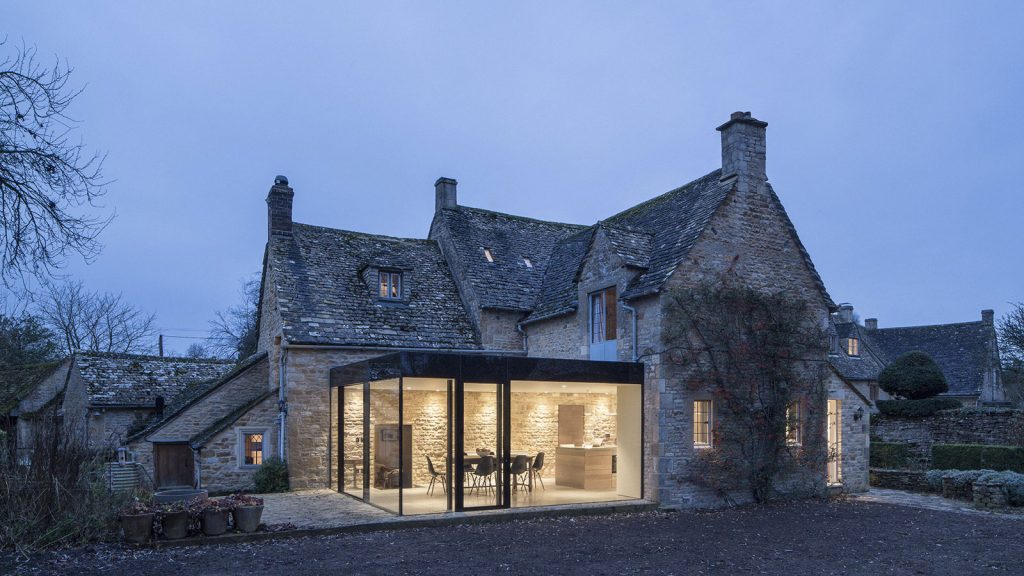
Glass room or Wintergarden Extension
Starting from £20000 for a 5m x 3m
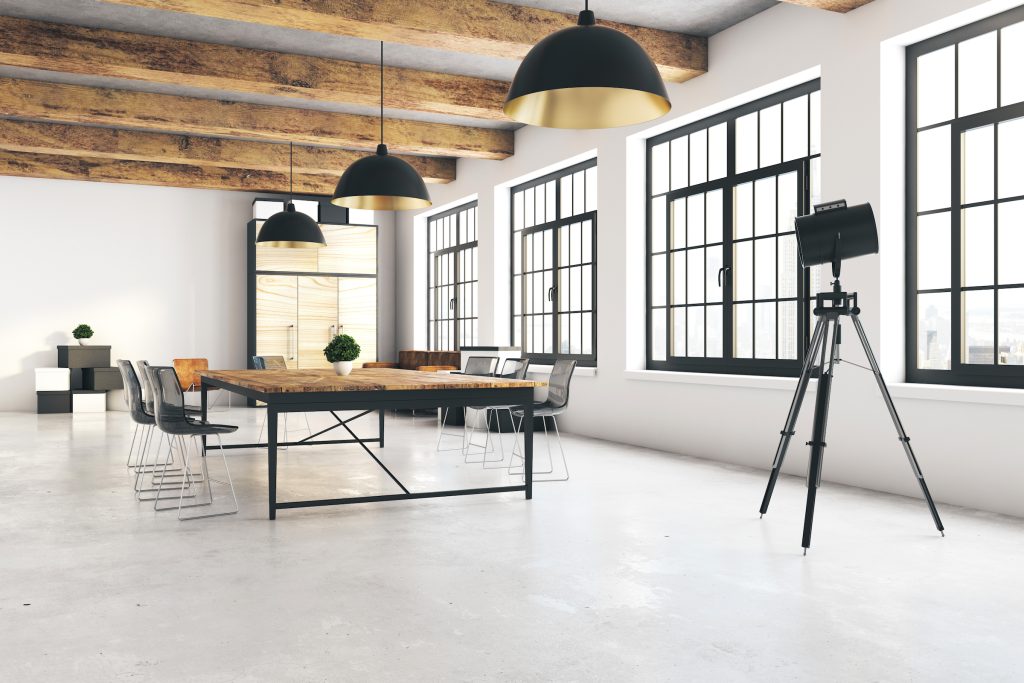
A glass room consists of mostly aluminium in a bespoke design. A mostly glass structure often relying on specialist glass, materials and a professional installation.
The end result is an outstanding structure with heating, lighting and shading, providing a fully insulated all-year-round room.
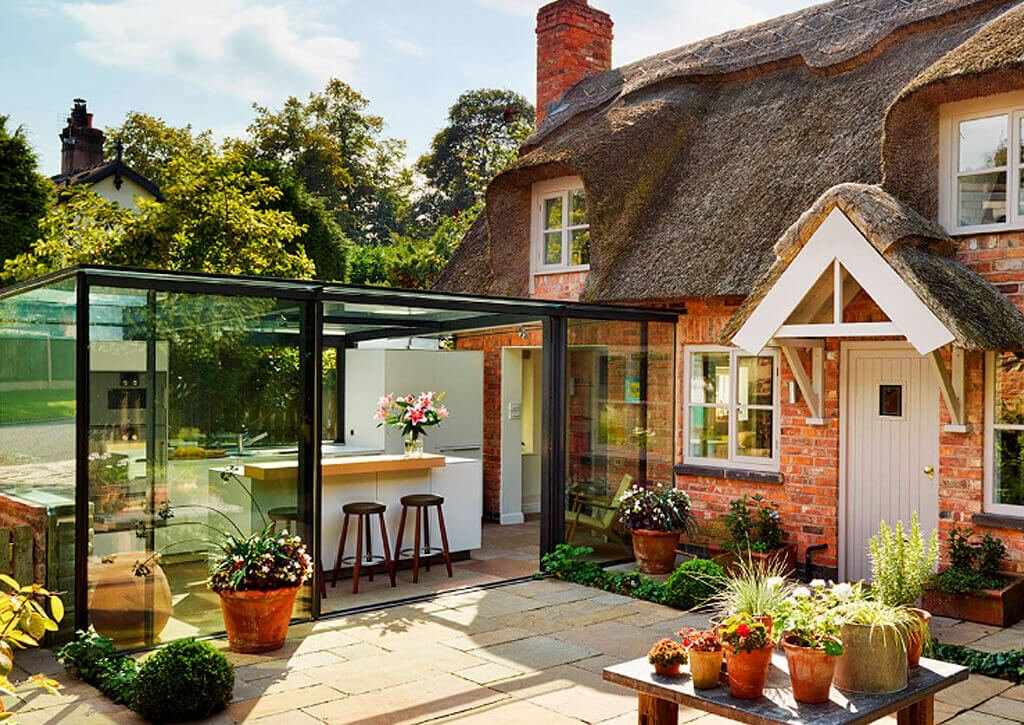
Glass room Canopy
Starting from £9000 for a 5m x 3m
Unlike an insulated room a Glass Room Canopy is single glazed. It only provides a covered space for your patio area, with optional glass doors to close the space off from wind and rain.
This is a non-insulated structure and designed to cover your patio so you can use it most of the year or close it off when entertaining and the weather changes. Lighting, heating and shading are available.
How each option feels to live in – thermal comfort and year-round use
If year-round comfort matters to you, this is where the differences really show.
A traditional extension is usually the most predictable. Solid walls and roof construction make it easier to keep warm in winter and comfortable in summer.
An orangery can perform extremely well, but only if the glazing proportions, roof design, and ventilation are thought through properly. Poorly designed ones can overheat or feel cold at the edges.
A wintergarden is the one that needs the most though and the choice of glass specification or optional shading and heating is essential. It can look incredible, but its comfort depends heavily on the glass and shading choices. Without that, you may find it only feels comfortable for part of the year. Also consider Part S of Building Regulations, relating to overheating in rooms. A specialist in these structures is strongly recommended.
The glass room canopy is single glazed and is only intended for short term use. It does come with heating and lighting options, but does not fall under Building Regulations usually. Its main use is to offer an option to cover and protect your patio so you can continue to sit in it if the weather changes.
Light and connection to your garden
If your priority is daylight and garden views, glass-heavy designs naturally appeal.
Glass rooms give you the strongest visual connection to the outside and suit contemporary homes where drama and openness are part of the design.
Orangeries still bring in plenty of light, but with more structure. Many people find this creates a more comfortable, usable space without feeling exposed.
Traditional extensions rely on doors, roof lights, and window placement. They can still be bright, but the experience is more like a conventional room with views, rather than a space wrapped in glass.
With all of these options, aluminium works significantly better than uPVC or timber. It’s slimmer, gives you more glass and less visible aluminium and has the best choice of recessed, flat or low-level door tracks for better accessibility. The overall choice of door, window and glass roof products is greater as well.
Extension vs Orangery vs Glass Room. Noise and privacy
Solid construction generally gives you better acoustic comfort. Traditional extensions tend to feel quieter, especially if you live near a road or in a built-up area.
Orangeries sit somewhere in the middle. Glass rooms can reflect and amplify sound unless acoustic glazing and careful detailing are specified.
The main criteria here is ensuring your walls and roof are built to standard. Double or triple glazing serves a different purpose. Whilst triple glazing will provide better sound insulation, it is only specially made acoustic glass that can be used if your home is in a noisy area, flight path, near a school or busy main road.
Cost realities and where budgets often surprise you
It’s easy to assume that more glass means less building work and therefore lower cost. In practice, it’s often the opposite.
• Traditional extensions are usually the easiest to budget for and cost-control.
• Orangeries add cost through roof lanterns, structural glazing, and higher detailing.
• Glass rooms are often the most expensive per square metre once everything is considered.
Extra costs in glazed projects commonly come from:
• Structural steel design and coordination
• Bespoke glazing sizes
• Solar control or specialist glass
• Drainage and waterproofing details
• Ventilation or blind systems
When comparing and Extension vs Orangery vs Glass Room it is essential that you get proper quotations for all the likely items that are required. Only use a specialist in glass roofs and structures as they are more likely to keep their prices realistic, having frequently worked with these products.
Planning and regulatory considerations
Planning rules can quietly steer your decision before design even starts. Large glazed areas, roof height, and roof form can all be restricted, especially in conservation areas or sensitive locations. Building Regulations still apply regardless of style, particularly for thermal performance and safety glazing.
Whilst many structures do fall under Permitted Development Rights, it is your responsibility to check with your local authority at the start of your project.
Whichever option you choose, the biggest risk isn’t the type of extension itself but how well the glazing and building work are integrated. Many problems don’t come from the design idea, but from the details where structure and glazing meet.
Poor junctions between masonry and frames, incorrect threshold heights and not taking into account drainage levels. Badly designed roof and glazing interfaces, thermal bridging on structural posts and thermal movement. Inadequate sealing and the wrong choice of door and window product can all be responsible for leaks, heat loss, and long-term performance problems, when comparing an extension vs orangery vs glass room.
The best way to avoid this is to make sure all parties involved communicate and above all, are aware of your requirements for your project. When you all work together, the result is far more reliable. You’re much more likely to end up with a space that works as intended, performs well in all seasons, and stands the test of time.
Maintenance and long-term ownership
The more glass you choose, the more important maintenance becomes.
You should expect to plan for:
• Regular inspection of seals and drainage
• Cleaning access, especially for roof glazing
• Monitoring condensation and thermal stress
• Maintaining vents, blinds, or automated systems
This doesn’t mean glass rooms are a poor choice. It means maintenance should be part of the design decision, not an afterthought. If you live in a coastal or exposed location, you must state this at the start of the project. This is so paint finishes, guarantees and other important factors of your build, take into account your location.
In short, where you live greatly affects your choice of product and windows and doors.
Extension vs Orangery vs Glass Room – which should you choose?
There’s no single “best” answer.
• Traditional extensions give you predictability and ease.
• Orangeries often strike the best balance between light and comfort.
• Glass rooms offer the greatest visual impact, but demand the highest level of design and coordination.
What matters most is not the label, but how well your structure and glazing work together as one system. If you’re considering extending your home and want guidance that focuses on how you’ll actually live in the space, not just how it looks on day one, that’s where experienced people make all the difference
Contact us today to discuss your project if you’re planning to extend your home either with a glazed structure, a built extension or something more bespoke.