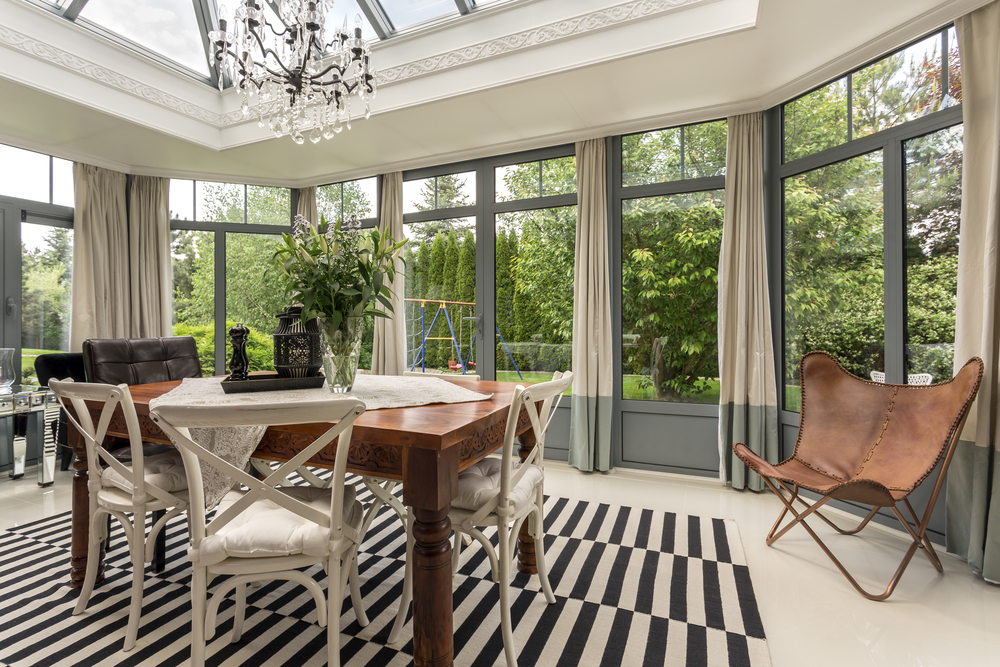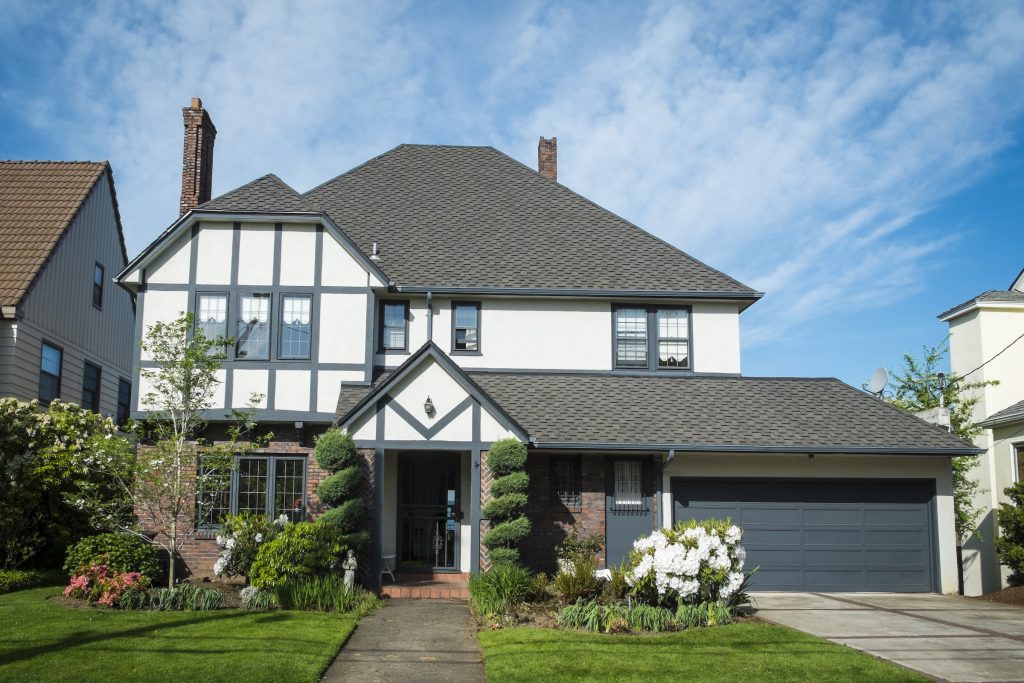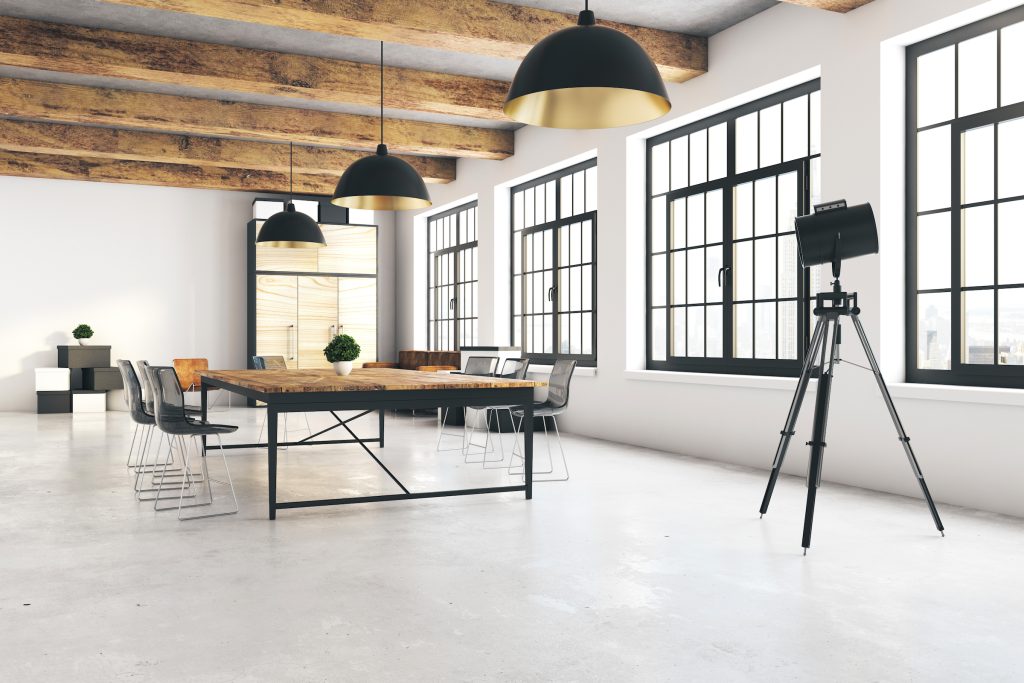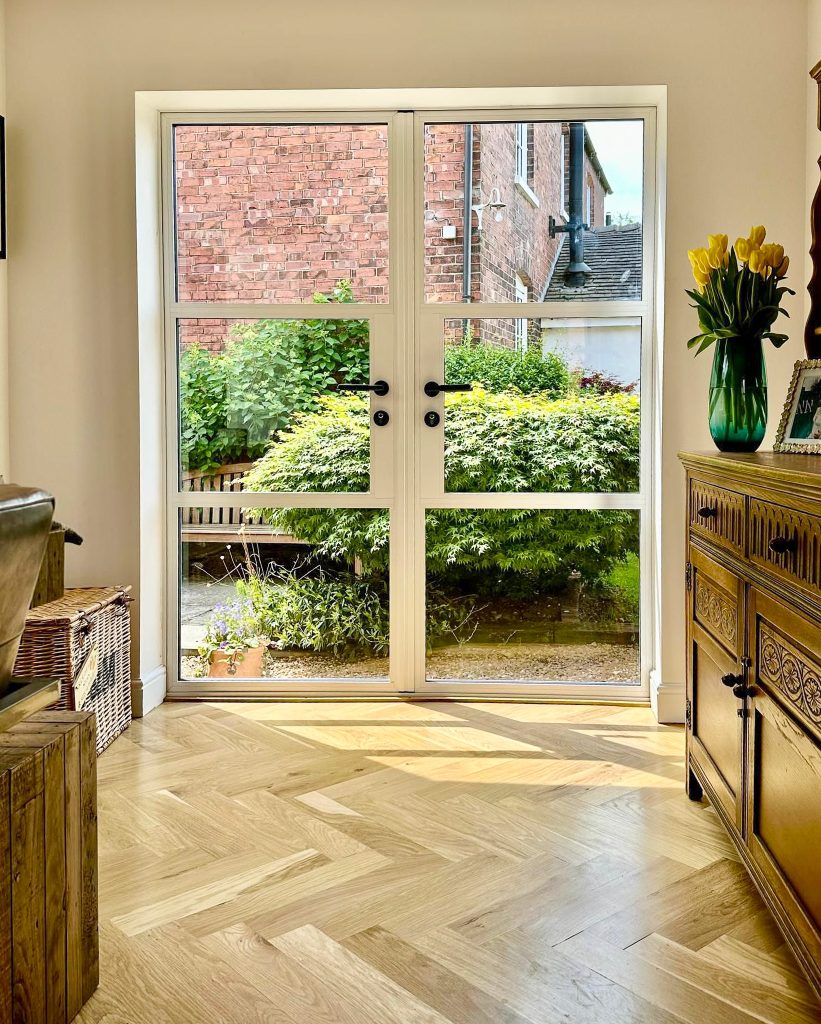
With energy prices remaining high, homeowners across the UK are looking for practical ways to make their homes warmer, more comfortable, and cheaper to run. One of the most effective upgrades, and one that is often underestimated, is installing properly specified, energy-efficient windows.
Modern window systems combine advanced frame design, high-performance glazing, and precision sealing to significantly reduce heat loss. When specified correctly, they help lower heating bills, eliminate draughts and cold spots, and improve everyday comfort throughout the home.
This guide explains how energy-efficient windows work, what really matters when choosing them, and how to make sure your investment delivers long-term value rather than just headline figures.
WHY ENERGY EFFICIENCY MATTERS

Windows can account for up to 20% of a home’s total heat loss. Older or poorly specified windows allow warm air to escape in winter and excess heat to enter during summer, forcing heating and cooling systems to work harder than necessary.
Upgrading to energy-efficient windows helps to:
• Reduce energy consumption and carbon emissions
• Improve comfort by eliminating cold spots and condensation
• Increase property value by improving EPC ratings
• Lower heating bills, often saving £200–£400 per year in an average-sized home
Energy efficiency is not just about saving money. It is about creating a more comfortable, future-ready home.
HOW ENERGY-EFFICIENT WINDOWS WORK
Energy-efficient windows rely on several key elements working together. It is the combined specification, not any single feature, that delivers real performance.
First of all it is the frame itself. Aluminium windows have internal thermal insulation. uPVC windows have internal chambers with additional sealing. Timber and Hybrid windows, due to the engineered timber used have natural insulation as these profiles are solid. You can find out more about the various materials available in windows and doors.
Double vs Triple Glazing
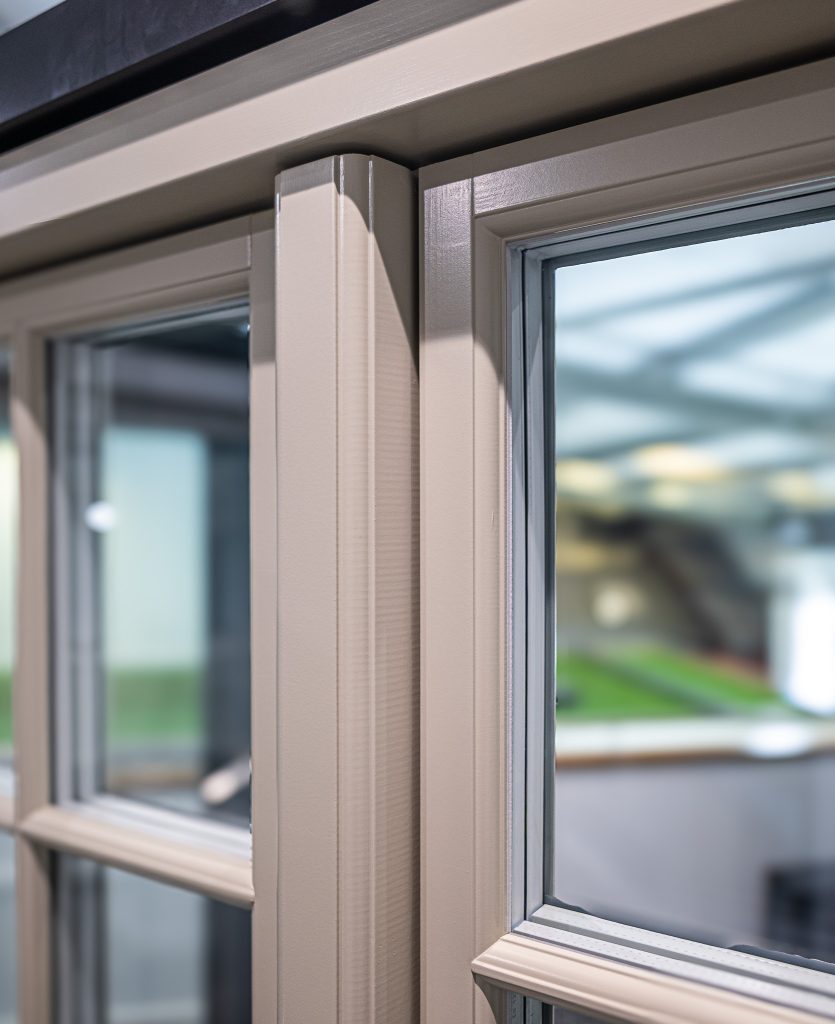
Double glazing uses two panes of glass separated by an insulating gas, usually argon.
Triple glazing adds a third pane, improving insulation and acoustic performance, particularly useful in exposed or colder locations.
Triple glazing does offer the benefit of the extra pane of glass. However, such is the performance of both types of glass, don’t automatically assume triple glazing is better. We can advise you better on the best option for your home.
Low-E (Low Emissivity) Coatings
A microscopically thin metallic coating reflects heat back into the room while still allowing natural light through. This helps retain warmth in winter and limits overheating in summer.
Warm Edge Spacers
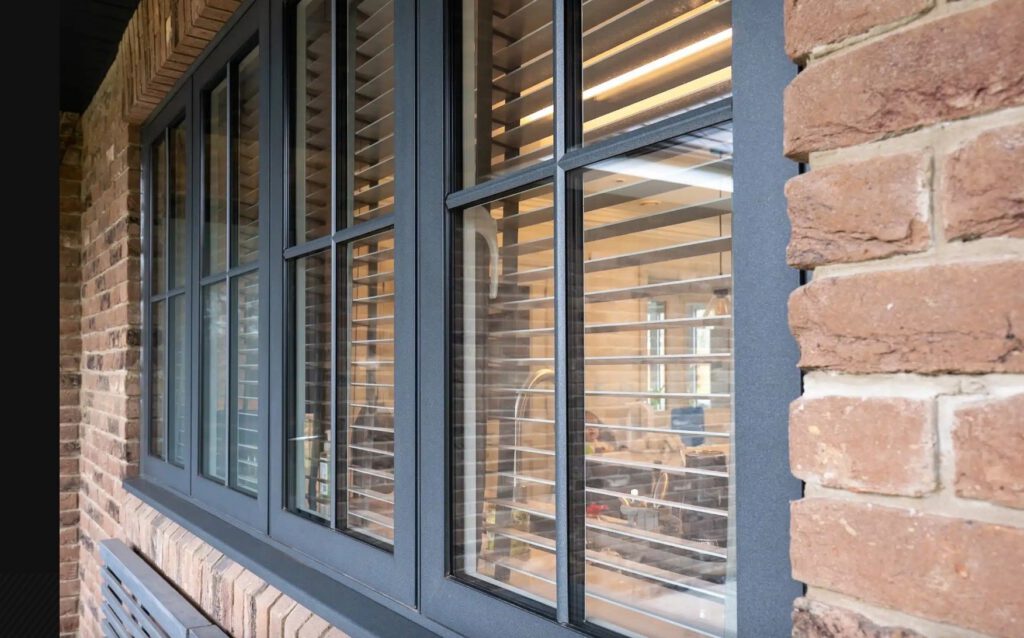
Spacers are what holds the two or three pieces of glass together on the edge of the glass unit. Traditional aluminium spacers conduct heat and encourage condensation. Modern warm edge spacers reduce thermal bridging and keep glass edges warmer and drier.
Gas Fills
Inert gases such as argon or krypton reduce heat transfer between panes and improve insulation performance. Today most windows and doors as a minimum are:
- Argon Gas as Standard
- Krypton Gas for enhanced perforemance
- All doors and low level windows come with laminated or toughened safety glass
- A soft-coat low-emissivity coating
- Warm edge spacer bars
U-Values Explained
U-values measure heat loss. The lower the number, the better the insulation.
• Old single glazing: around 5.0 W/m²K
• Typical modern double glazing: 1.4–1.6 W/m²K
• High-performance triple glazing: 0.8–1.0 W/m²K
Importantly, always ask for overall window U-values, not glass-only figures.
ALUMINIUM WINDOWS AND ENERGY EFFICIENCY
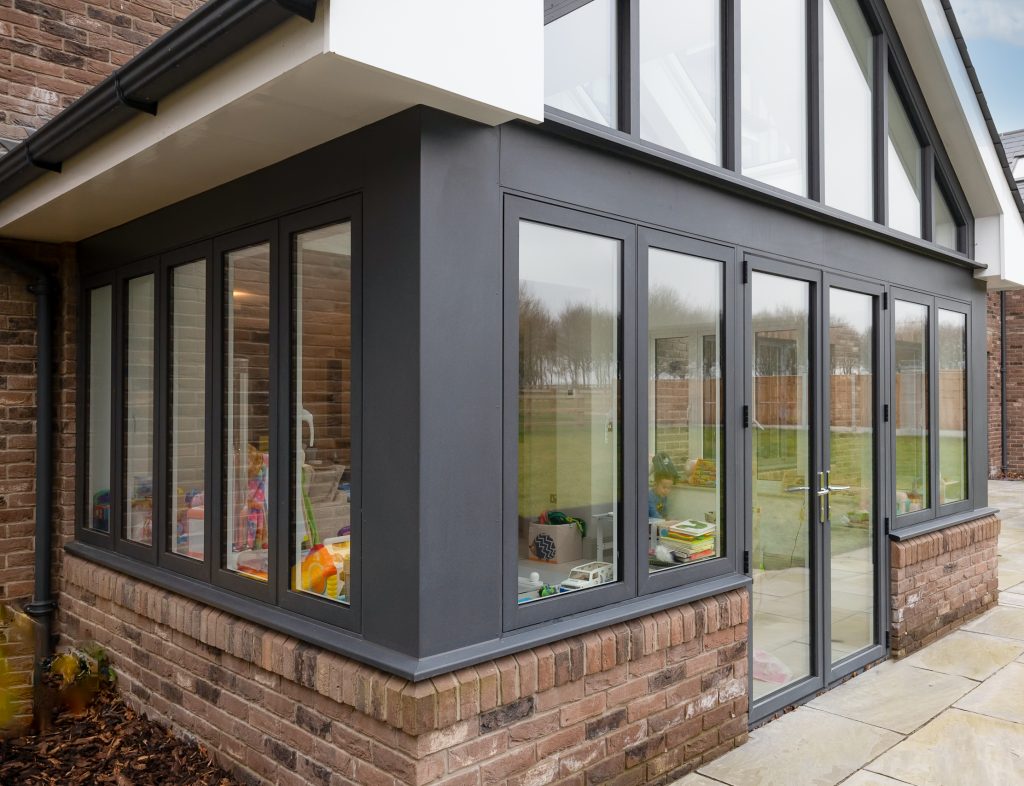
Aluminium windows were once associated with poor insulation. That is no longer the case.
Modern aluminium systems use thermal break technology, separating internal and external sections of the frame with an insulated polyamide thermal barrier. This dramatically reduces heat transfer. Some brands are also fitted with internal foam insulation, additional seals and gaskets.
When combined with high-performance glazing, today’s aluminium windows can achieve U-values of around 1.0 W/m²K, rivaling or exceeding many uPVC alternatives.
Slim aluminium profiles also allow larger glass areas, which can increase beneficial solar gain and help naturally warm living spaces during daylight hours.
BUILDING REGULATIONS AND COMPLIANCE
In the UK, Building Regulations Part L set minimum energy performance standards for windows and doors.
Currently:
• Replacement windows must typically achieve 1.6 W/m²K or better
• New build projects often target 1.4 W/m²K or lower
Exceeding these minimums can improve EPC ratings and future-proof your property.
THE REAL BENEFITS OF ENERGY-EFFICIENT WINDOWS
The advantages extend beyond energy savings:
• Lower energy bills through reduced heat loss
• Improved comfort with stable internal temperatures
• Reduced noise with acoustic or triple glazing
• Less condensation from better edge insulation
• Higher property value and buyer appeal
• Lower environmental impact through reduced emissions
A NOTE ON REAL-WORLD PERFORMANCE
Actual results depend on correct specification, installation quality, and how the home is used. In real projects, homeowners typically report noticeable comfort improvements immediately, with energy savings becoming clear within the first year.
This is why product choice alone is not enough. Performance comes from getting the details right.
FREQUENTLY ASKED QUESTIONS
Is triple glazing always better than double glazing?
Not always. Triple glazing offers superior insulation but adds cost and weight. In many UK homes, high-quality double glazing provides the best balance.
Can aluminium windows really be energy-efficient?
Yes. Modern thermally broken aluminium systems can match or outperform uPVC when specified correctly.
How long do energy-efficient windows last?
Quality aluminium and uPVC windows typically last 25–40 years, depending on the material, the brand, how well they’re made and when properly installed. Some servicing will be required. No window or door is fit and forget.
When will I see savings?
You’ll notice interior comfort first. Many factors such as insulation, wall and loft improvements and the age of your house. However, homeowners who keep a very close eye on their heating bill should notice a reduction.
WHY SPECIFICATION AND SUPPORT MATTER
One of the most common issues we see is windows that look good on paper but underperform in real homes. This often happens when:
• Glass-only U-values are used instead of full window calculations
• Products are poorly matched to the property
• Long-term servicing and support are not considered
At Fenestration Network, we only specify windows that meet performance targets in writing, using proven manufacturers who retain full production records. This means glass sizes, profiles, finishes, and hardware can be supported long after installation.
This information is essential to ensure building and installation sign off and will be needed when you come to sell your home.
THE FENESTRATION NETWORK WHITE GLOVE SERVICE
Choosing energy-efficient windows is a significant investment. Our White Glove Service is designed to remove uncertainty at every stage.
From initial advice and specification through to surveying, installation, and aftercare, every project is carefully managed. You are not dealing with an anonymous online supplier, but with a team that takes responsibility for compliance, quality, and long-term performance.
If you are considering upgrading your windows and want clear, informed advice with products that genuinely perform, we would be happy to discuss your project and guide you through the options.