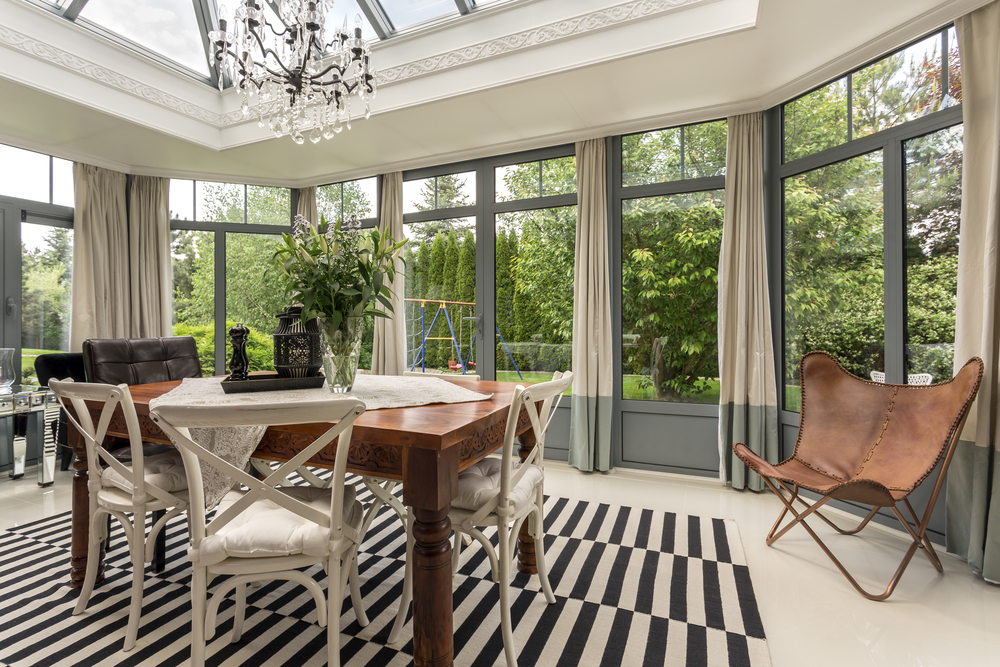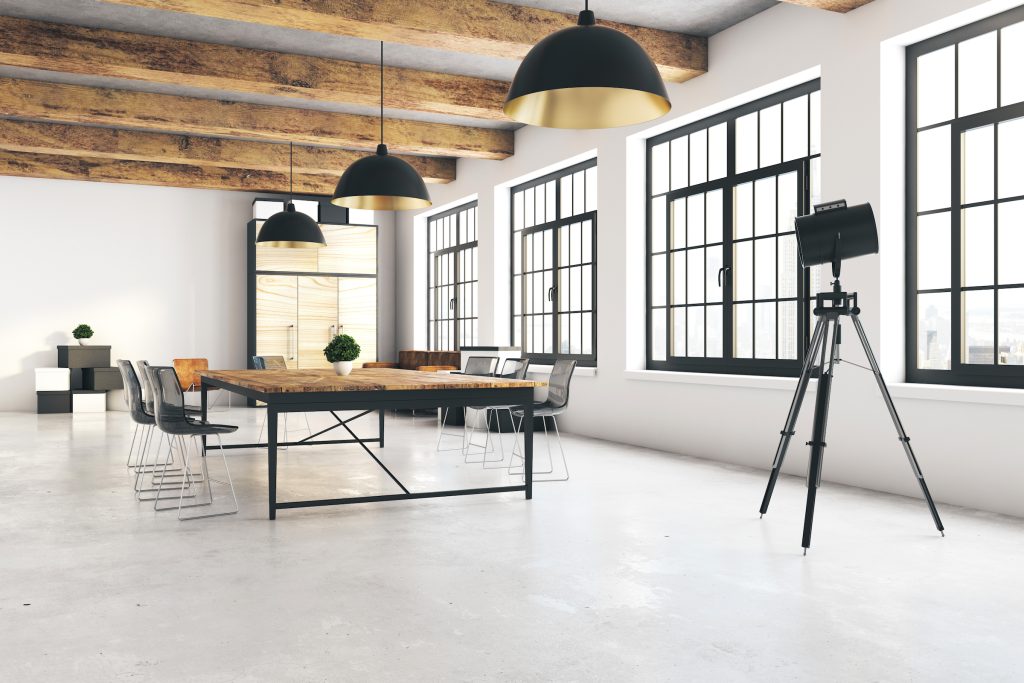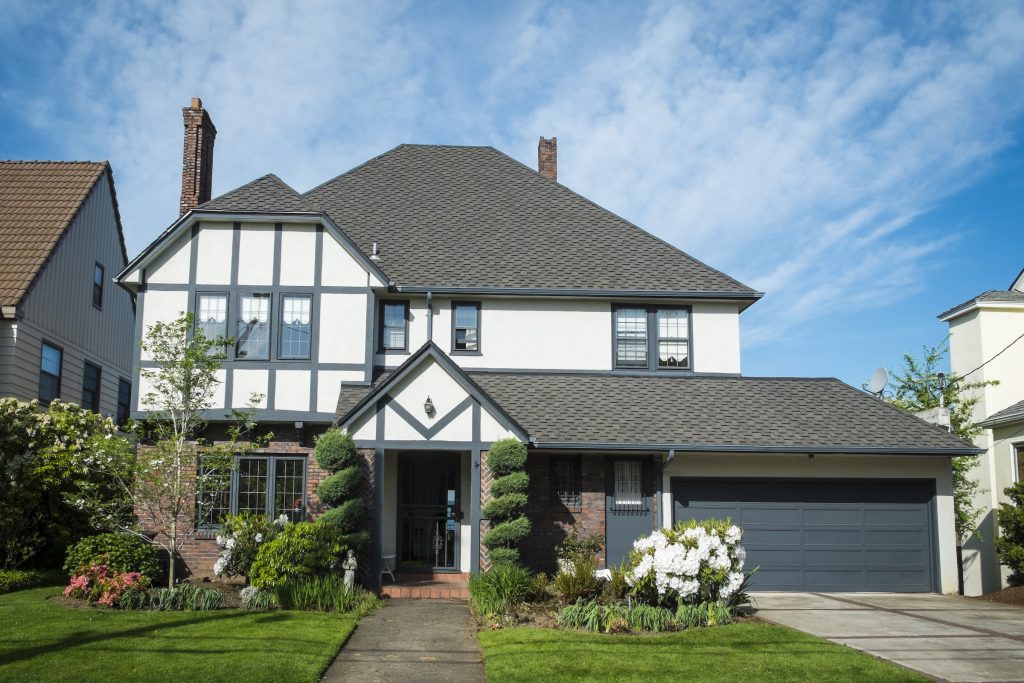
When you replace your windows, the material you choose affects far more than appearance. It determines how slim your windows look, how some materials can’t meet your design requirements and how they are likely to look in the years to come, timeless vs dated.
We’ve put together this helpful article to help you understand and choose the right window and door material for your home.
Aluminium, uPVC, timber, steel-look and hybrid systems explained
For years, the conversation focused almost entirely on aluminium vs uPVC for windows and doors. Whilst these two materials are still the most used, other materials such as steel, timber and hybrid windows are also available. Modern timber-look uPVC, steel-look aluminium, engineered timber, and hybrid systems have also all changed what’s available for your home.
This guide explains what each material actually does well, where it falls short, and how to choose the right one for your home, not just what’s fashionable.
Why window material matters more than you think
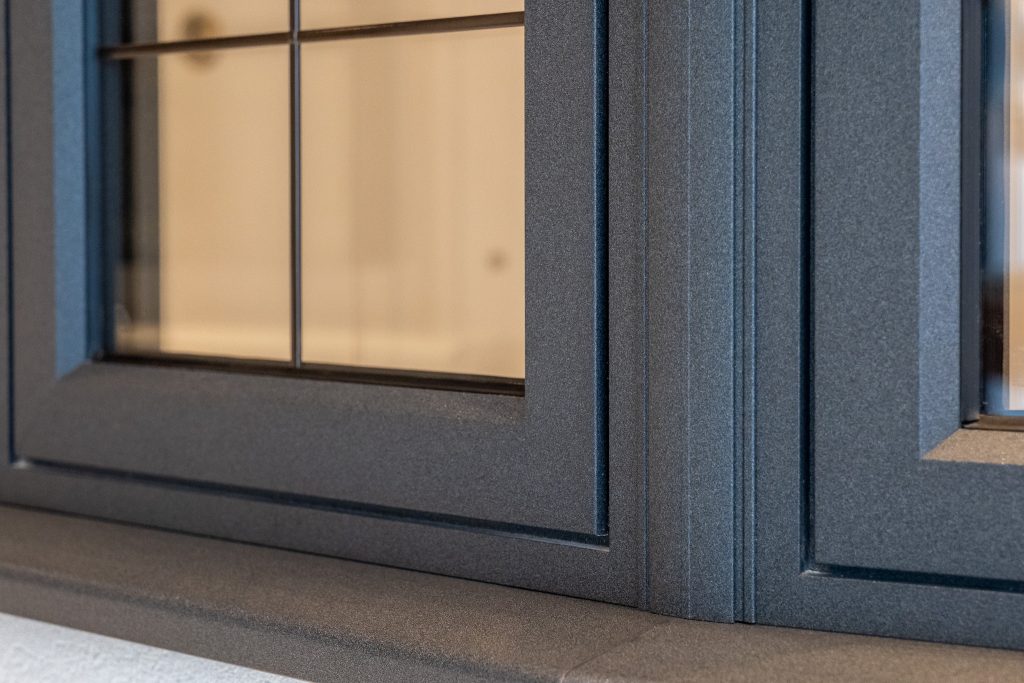
Windows are structural components. They are constantly exposed to heat, cold, wind, moisture, and daily use. The material you choose affects:
• Frame thickness and sightlines
• Maximum window and door sizes
• Long-term stability and alignment
• Thermal performance and air tightness
• Maintenance and appearance over time
With the wide choice of colours and textures today, choosing the right window and door material can also come down to how you want your windows to feel.
Insulation, tactile feel such as warm to the touch, also makes window perform differently, even if the glass is the same. Therefore your choice of window material can affect how your glazing behaves in real-world conditions.
Aluminium windows – strength, slim sightlines, modern design
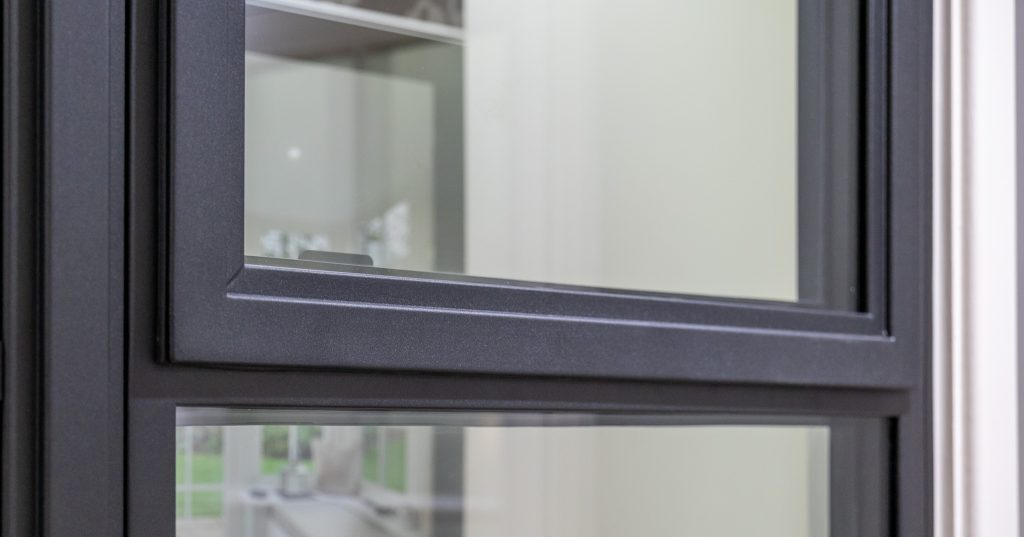
If you value clean lines, large panes of glass, and contemporary proportions, aluminium is usually the best option.
Aluminium is inherently rigid. That strength allows frames to be slimmer, letting in more light and supporting larger window and door sizes than most other materials. This is why aluminium remains the product of choice in old and modern homes, extensions, and open-plan designs with wide span patio doors.
Aluminium is also more stable than wood or uPVC and expands roughly two and a half times less. That is why it remains the product of choice for bifolding or sliding doors as well as larger window designs. It’s just a more technically capable materials.
Modern aluminium systems are fully insulated and in combination with high performance glass can give you excellent energy efficiency, helping lower your energy bills. You also gain access to the widest choice of colour options, dual colours and textures including metallic finishes.
For many homeowners, aluminium is the most future-proof choice.
Where aluminium may not be the best fit
Aluminium isn’t automatically right for every home. In traditional or period properties, aluminium can sometimes feel visually too sharp or modern. This is especially the case for timber-look windows and doors, sash windows and period door designs. uPVC and timber does these designs much better. Aluminium doesn’t replicate timber detailing as convincingly.
Aluminium can also cost more upfront, particularly for smaller replacement projectsor for investment properties where getting the best value matters more than design and styling.
uPVC windows. no more old stereotypes
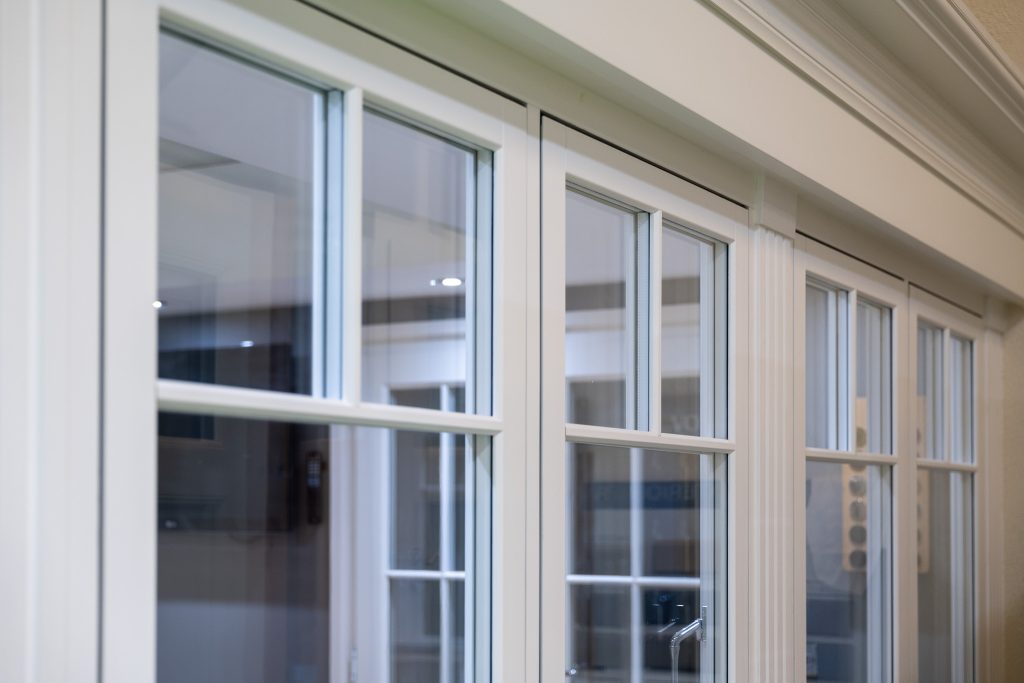
Whilst uPVC might still carry a reputation with some as being plasticky, bulky, unattractive and unappealing, the reality today is very different. Modern uPVC windows are:
- More premium in look and feel than ever before
- Available in contemporary and traditional styles
- Slimmer and better reinforced
- Stronger and more stable than earlier generations
- Available in convincing timber-look finishes
- More colour and texture choice than ever
- Affordable, mid-range and luxurious options.
If you’re looking for a credible alternative to timber windows, the latest generation of uPVC timber-alternative windows, outperforms aluminium visually. Mechanical joints, deep profiles, and woodgrain finishes can replicate traditional joinery in a way aluminium often cannot. And this timber-look isn’t just for casemement windows.
The same applies to sash and vertical sliding windows. Modern uPVC sash systems now achieve accurate proportions, smooth operation, and excellent thermal performance, making them ideal when replacing original timber sashes. uPVC does it better in virtually every way styling-wise and often hard to tell apart from the genuine timber window.
If your priority is traditional appearance with minimal maintenance, uPVC can be the more practical choice.
Timber windows – natural character and heritage appeal
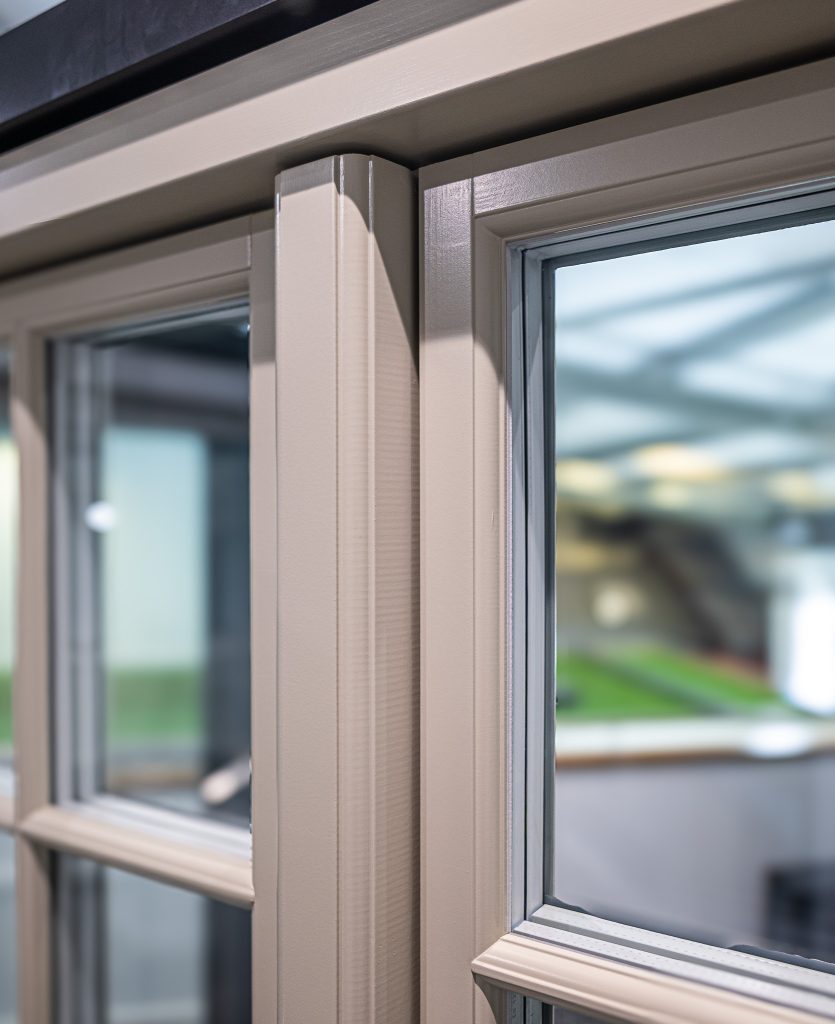
Timber remains the benchmark for authenticity not just in period homes but alos for modern new builds. Real wood windows offer natural texture, depth, and detailing that no alternative fully replicates. In conservation areas or listed buildings, timber is often the preferred or required option.
Modern engineered timber windows are far more stable than older solid timber designs and can deliver strong thermal performance when properly specified.
That said, timber requires some maintenance, but they are in no way as maintenance intensive as some would make you believe. In fact, some of the best timber window suppliers, offer guarantees as long as other materials on timber windows. Timber suits homeowners who value authenticity and are prepared for upkeep.
Steel Windows. Luxury, Quality, Lasts a Lifetime
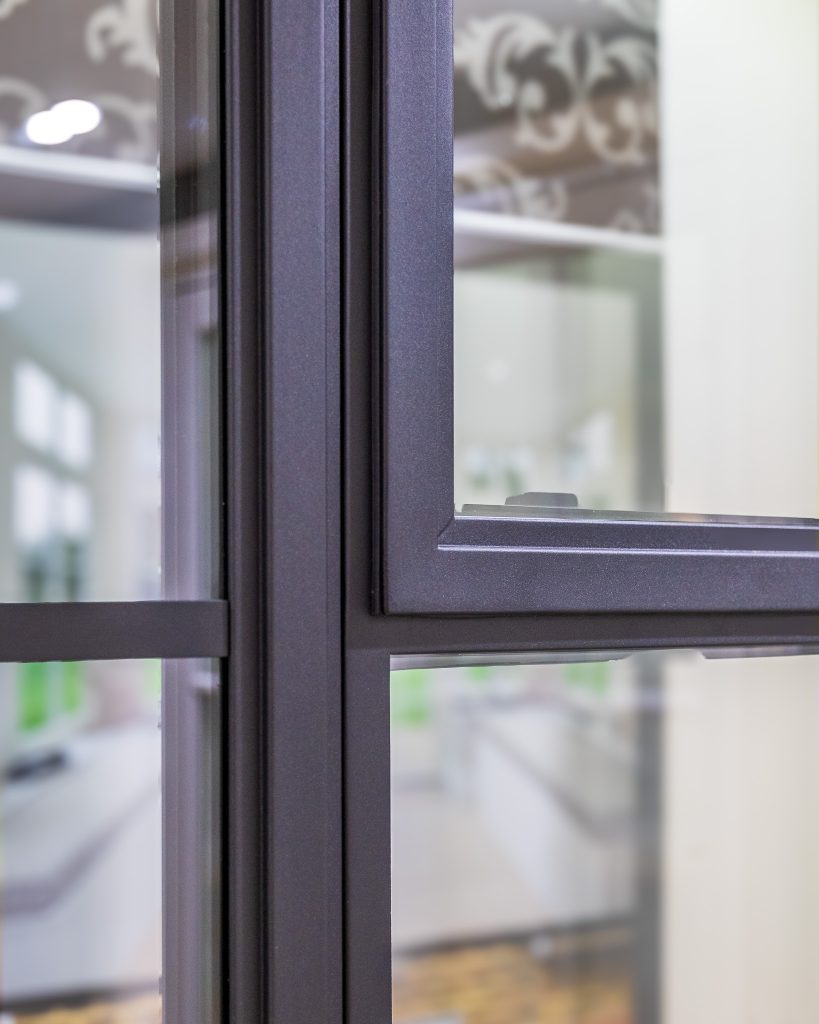
If your budget stretches to steel windows, you’ll be rewarded with hand-crafted, welded and ultra strong windows and doors which are designed to last many many decades.
Steel windows come in many different types today, including contemporary, industrial, Art-Deco and bespome designs. For those who just want the slimmest, strongest and best possible material for their home, nothing looks like a genuine steel window.
The only drawbacks to steel windows and doors are cost and lenghty manufacturing times. You can use them as external windows and doors, internal doors and partitions and create complex shapes, curves and angles.
There are some products that are not available in steel. These are typically external sliding and folding doors, sash windows and flush windows and doors. Above al, steel windows and doors promise a strong design statement while retaining modern performance.
Hybrid window systems. The best of all worlds for your windows and doors
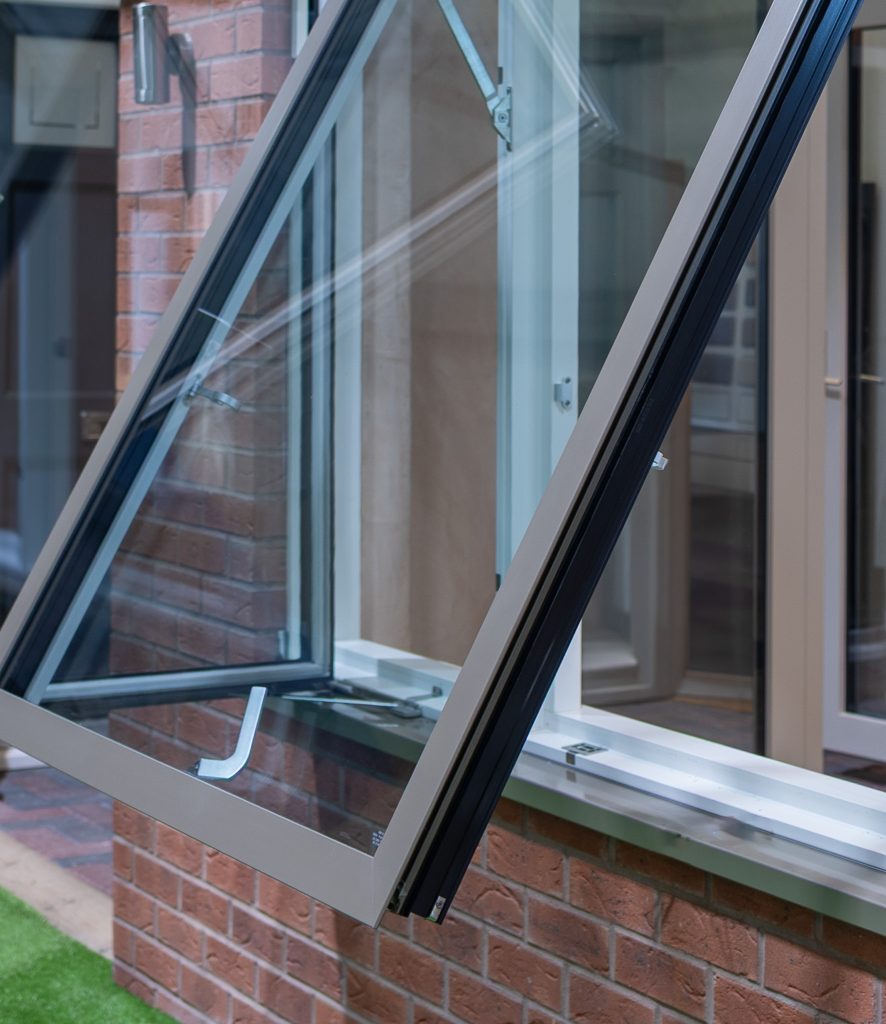
Hybrid systems combine two materials, typically aluminium outside, wood or premium uPVC inside. The benefit is a timeless, highly insulated window that with wood inside looks natural, yet outside has the low maintenance properties aluminium is known for. Hybrid windows are best when:
- You want the best possible performance and lowest U-Values
- One material alone doesn’t meet all requirements
- Warm-to-the-touch natural wood inside
- You want modern performance with timeless aesthetics
- Longer lasting windows and doors.
Hybrid windows by brands such as Internorm, Rationel, Velfac, Ideal Kombi and others are some of the best on the market and widely used in the coldest climates. The downside to hybrid is they don’t all come with the slimmest sightlines, but all claim a 60-80 year lifespan.
Here’s a clear, cornerstone-quality decision table you can drop straight into the article.
It’s written to help you decide, not to sell, and works perfectly for someone still researching.
Window and Door Materials – Decision Guide
| PRIORITY | BEST MATERIAL | MAIN BENEFIT |
|---|---|---|
| Slim frames and maximum glass | Aluminium | Strong, rigid frames allow slimmer sightlines and larger window and door sizes. |
| Large sliding or bifolding doors | Aluminium | Better strength and stability, less movement, smoother long-term operation. |
| Modern or contemporary design | Aluminium | Clean lines, sharp detailing, and wide colour choice suit modern architecture. |
| Traditional or period appearance | uPVC or Timber | Better at replicating timber proportions, joints, and detailing. |
| Sash or vertical sliding windows | uPVC or Timber | More authentic proportions and operation than most aluminium systems. |
| Minimal maintenance | Aluminium or uPVC | No painting required, stable finishes, easy long-term care. |
| Authentic heritage character | uPVC or Timber | Natural material with unmatched texture and traditional detailing. |
| Industrial or steel-style look | Steel-look aluminium or Steel | Delivers classic steel aesthetics with modern thermal performance. |
| Blending old and new architecture | Steel-look aluminium or Hybrid | Combines character with contemporary performance. |
| Tight budget with good performance | uPVC | Strong insulation, reliable operation, lower upfront cost. |
| Long-term durability and stability | Aluminium, Hybrid and Steel | Less affected by heat movement, holds alignment over decades. |
| Rental or investment property | uPVC | Robust, familiar, low maintenance, strong return on investment. |
| Best of all materials | Hybrid | Best performance, real wood inside, low maintenance outside |
Why manufacturing installation and specification matter as much as material
Your choice of material therefore depends on many factors and there is no ‘best’ material. Factors include the design you want your budget and the types of windows and doors as well. Therefore when choosing the right window and door material for your home, speak to a specialist that knows everything about all materials, not just the ones they sell.
And remember, a window is only as good as how it’s made and fitted. Even the best material performs poorly if it’s badly made or badly installed.
Profile quality, reinforcement, glazing specification, drainage, sealing, and installation accuracy all matter. The manufacturer and installer behind the window are just as important as the frame material itself.
We work with the UK’s foremost manufacturers who provide the best quality windows and doors, supported by quality manufacturing warranties and our own guarantee.
Quality Windows and Doors Supplied and Fitted Nationwide
At Fenestration Network we offer a complete service in the supply and installation of windows and doors. Whilst we believe aluminium offers the best balance of price, performance, lifespan and product mix, we are happy to talk to you about other materials and help you get the best out of your renovation project.